

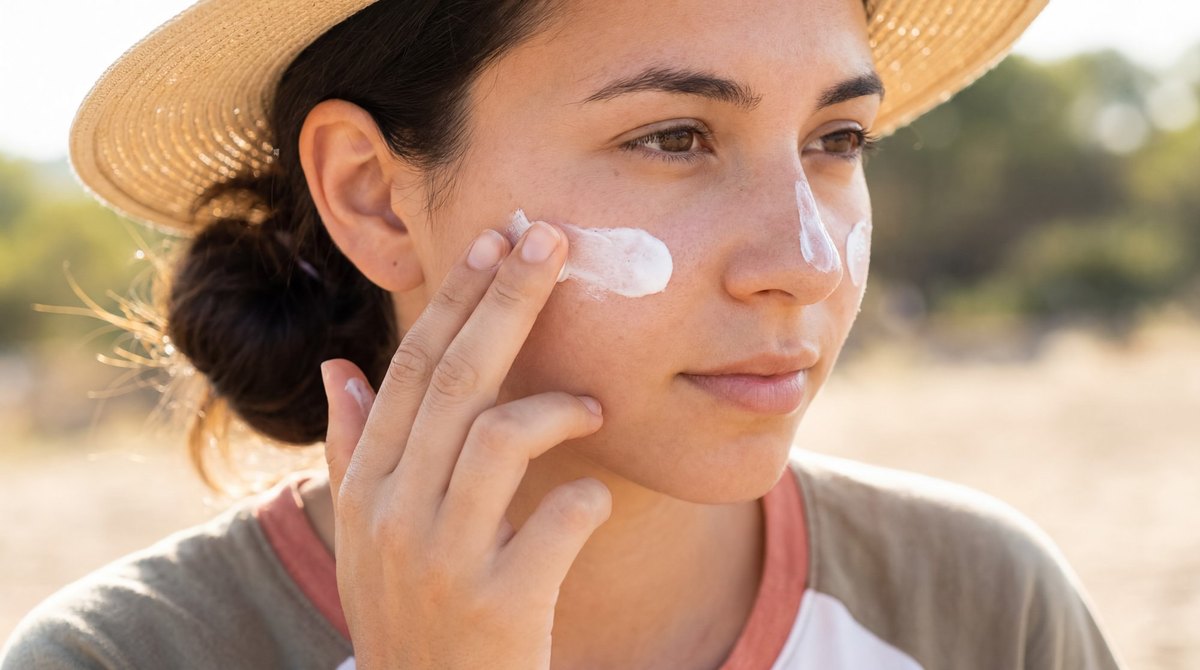
Melasma Treatment: Fading Dark Patches in Florida Sun
Melasma is the brown or gray-brown patchy discoloration that shows up most often on the cheeks, forehead, upper lip, and bridge of the nose. It is driven by pigment-producing cells that overreact to sunlight and hormones, which is why it is stubborn in a place like Northwest Florida and why
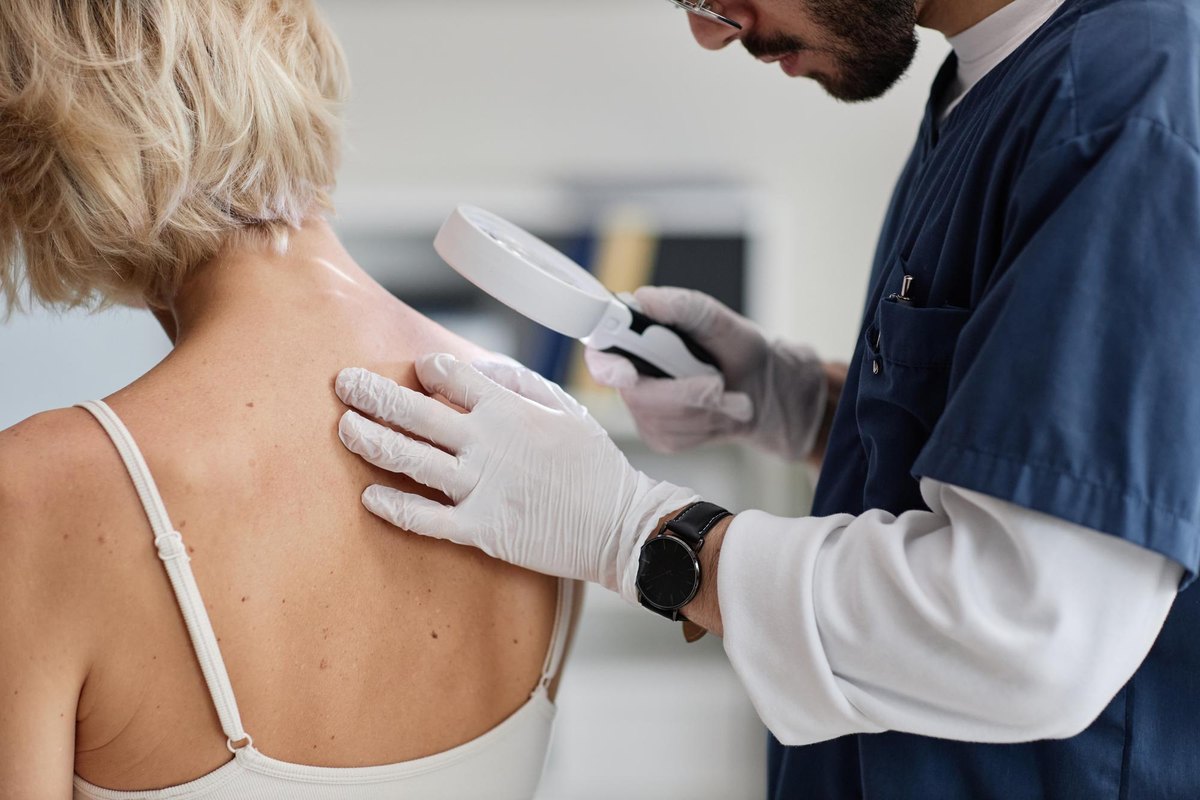
Tinea Versicolor: Why Summer Brings Light Spots on Skin
Those pale, patchy spots that show up on your chest, back, or shoulders after a Gulf Coast summer usually are not sun damage and they are not vitiligo. In most cases they are tinea versicolor, a harmless overgrowth of a yeast that already lives on everyone’s skin. It thrives in
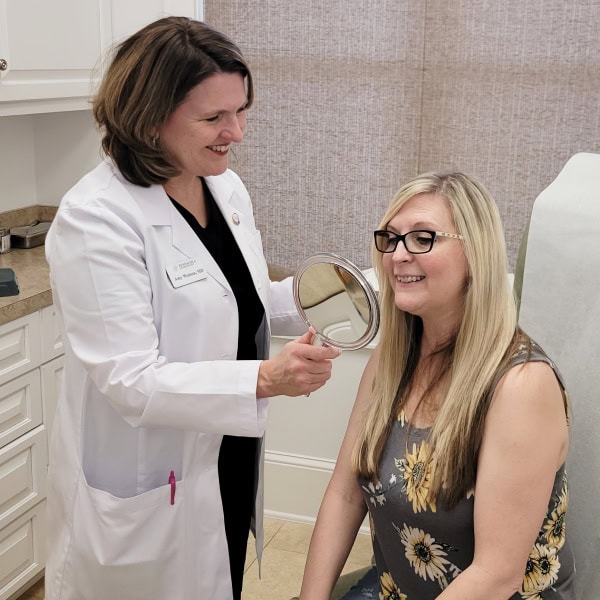
What Happens During a Full-Body Skin Exam? A Step-by-Step Guide
A full-body skin exam is a thorough, head-to-toe visual inspection performed by a board-certified dermatologist to detect suspicious moles, unusual lesions, and early signs of skin cancer. You might also hear it called a skin cancer screening or total body skin examination. If you’ve been wondering what happens during a
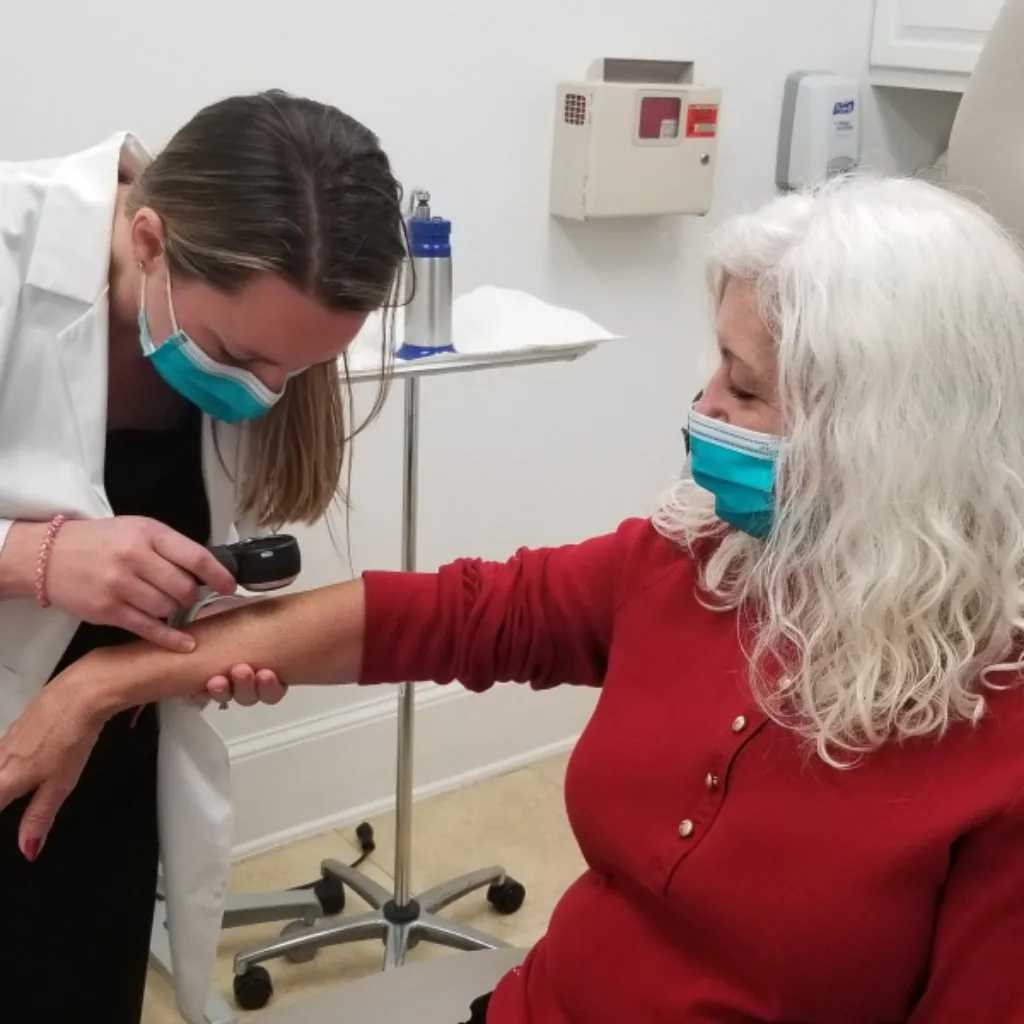
How Do I Know If My Rash Is Serious or Just Irritation?
A rash may be serious if it spreads rapidly, blisters, is accompanied by fever or difficulty breathing, or doesn’t improve within one to two weeks of home care. Minor irritation typically stays localized, causes only mild itching or redness, and resolves on its own within a few days. A rash

Can You Shrink Large Pores? Here’s What Actually Works
If you’ve ever stared at your reflection and wished those tiny dots on your nose and cheeks would just disappear, you’re not alone. Large pores rank among the most common skin concerns patients bring to a dermatology practice, and it’s something the team at Pensacola Dermatology hears about regularly. If
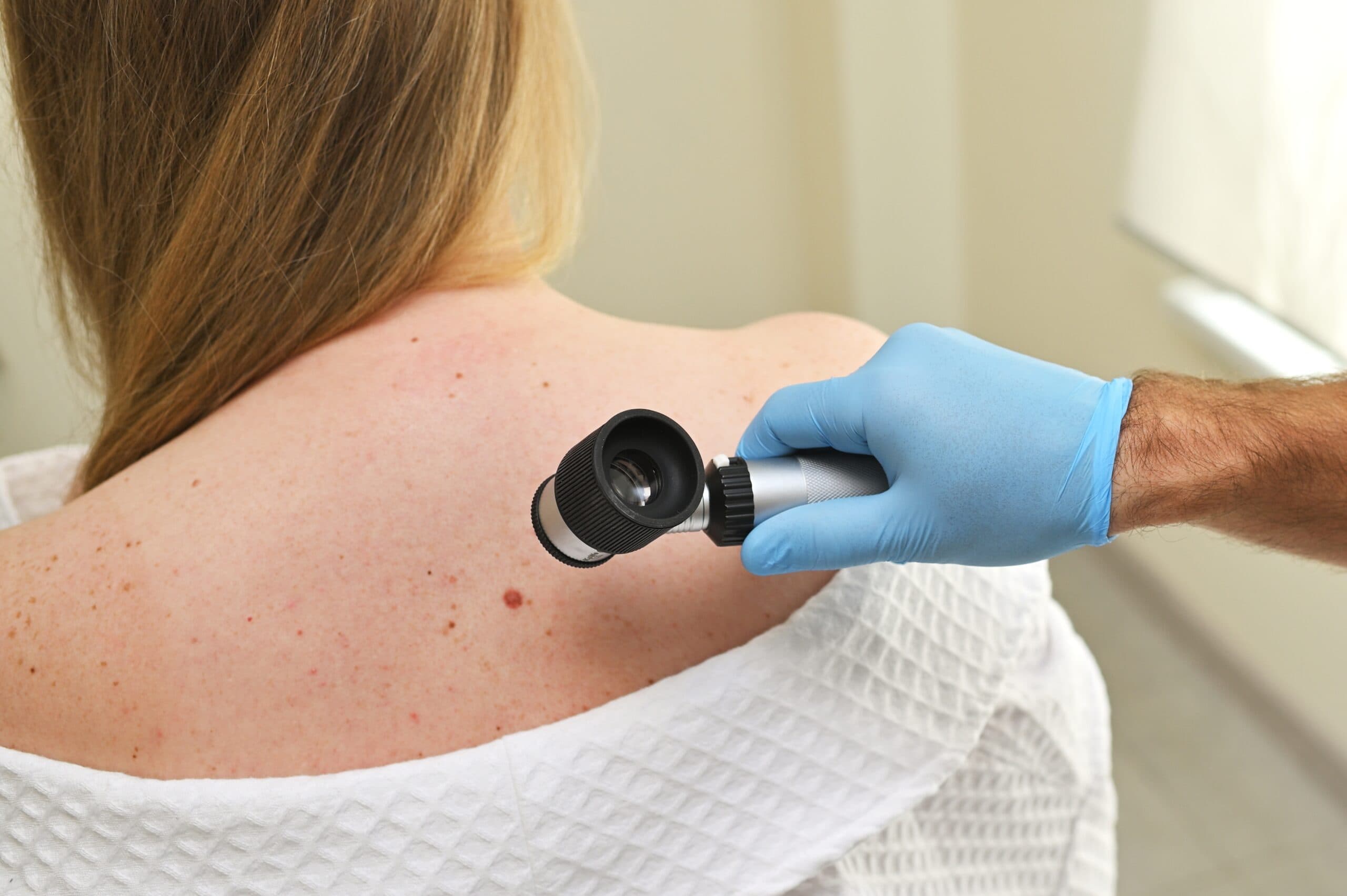
5 Signs It’s Time to See a Dermatologist About Your Mole
Most people have moles — small clusters of pigmented cells that appear as brown, black, or flesh-colored spots on the skin. While the majority are harmless, certain changes can signal something more serious, including the early stages of skin cancer. Knowing what’s normal and what’s not can help you take
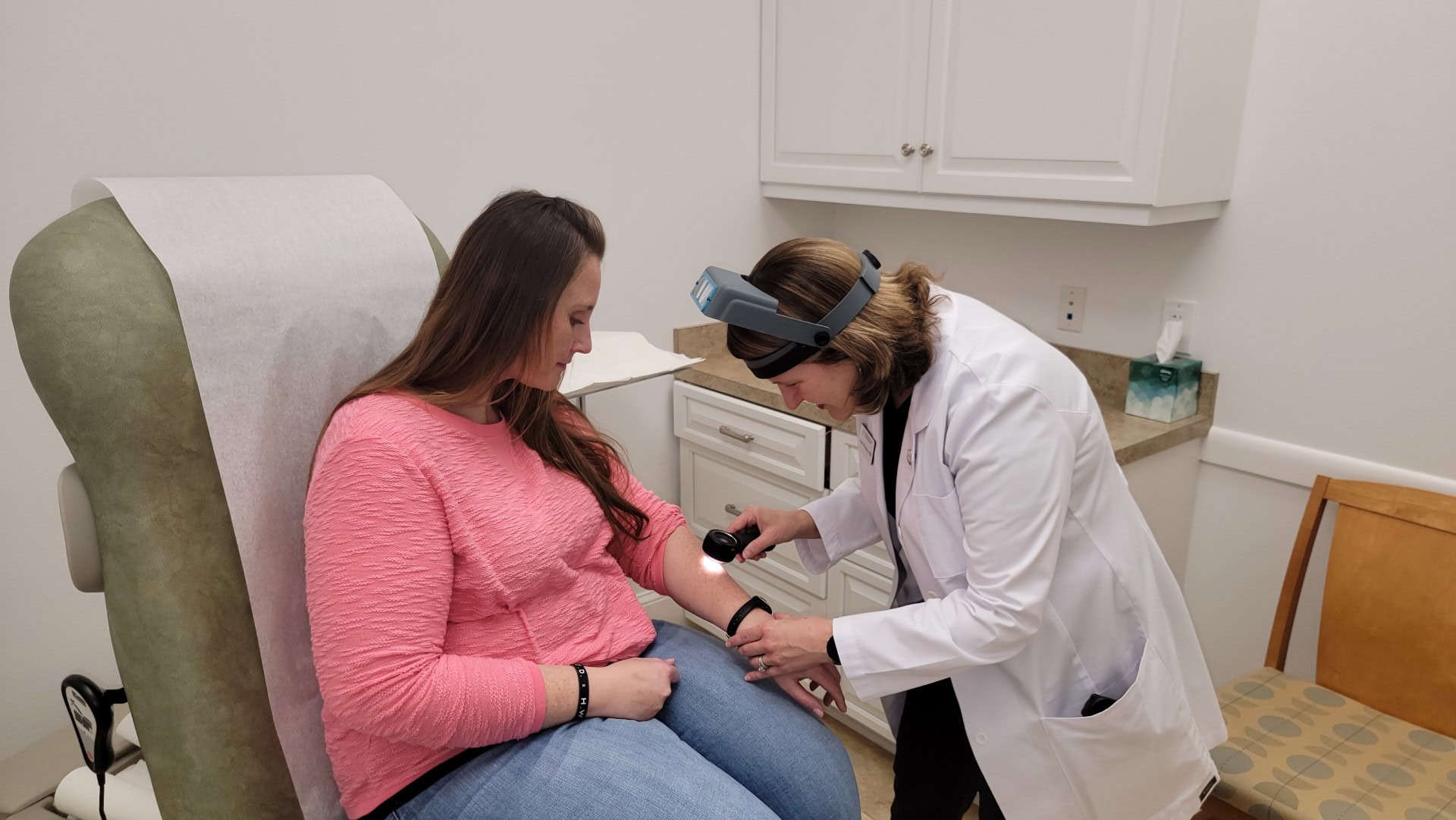
Psoriasis Treatment Advances: What’s New in Dermatology?
Psoriasis is a chronic autoimmune skin condition that affects millions of people worldwide. It causes patches of thick, scaly skin that may itch, burn, or crack — often appearing on the scalp, elbows, knees, or lower back. While psoriasis has no cure, advances in dermatology have transformed how this condition
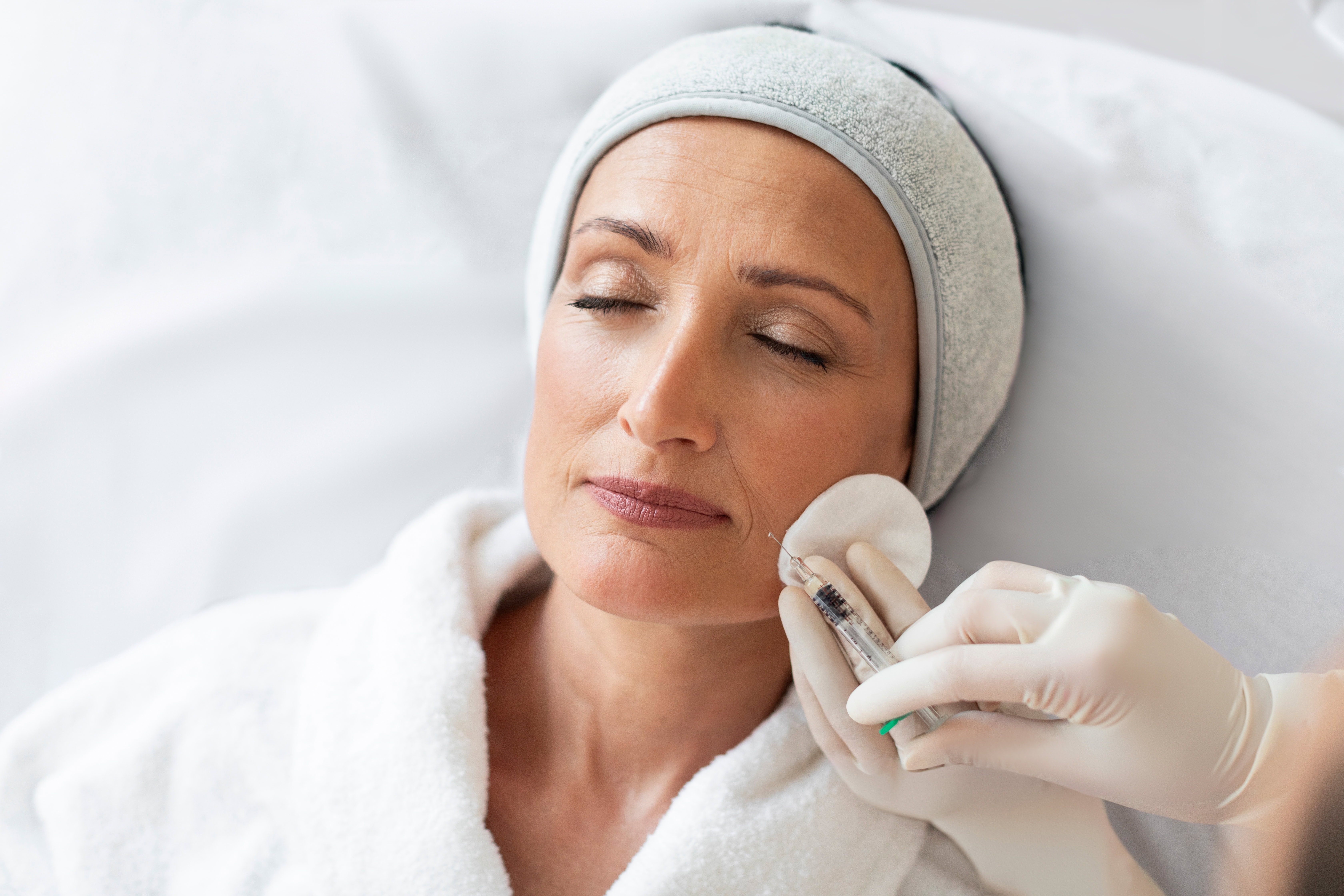
Botox Myths Debunked: What You Really Need to Know Before Treatment
Botox is one of the most popular cosmetic treatments in the world — yet it’s also one of the most misunderstood. From fears about “frozen” expressions to myths about safety, misinformation often prevents people from exploring a treatment that’s both effective and medically supported. In reality, Botox has been safely