

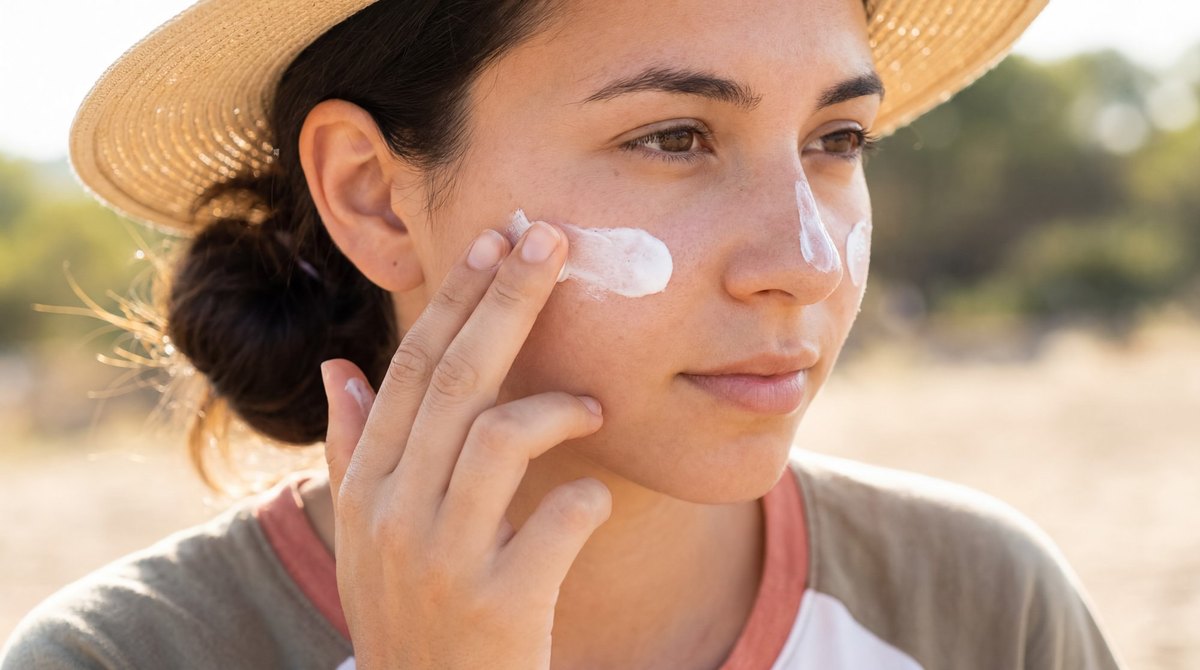
Melasma is the brown or gray-brown patchy discoloration that shows up most often on the cheeks, forehead, upper lip, and bridge of the nose. It is driven by pigment-producing cells that overreact to sunlight and hormones, which is why it is stubborn in a place like Northwest Florida and why it deepens every summer. Melasma can be faded, and for many patients it fades substantially, but it is managed rather than cured: the treatments that work are prescription-level pigment control plus relentless sun protection, and stopping either one usually brings the patches back.
What Causes Melasma, and Why Does Florida Make It Worse?
Melasma happens when melanocytes, the cells that produce pigment, deposit more melanin than usual in specific areas of the skin. Two triggers do most of the work: ultraviolet and visible light exposure, and hormonal shifts such as pregnancy, birth control pills, or hormone therapy. Genetics load the dice, and it is far more common in women and in people with medium to deeper skin tones.
The Gulf Coast is a difficult environment for it. UV exposure is high nearly year-round here, so the "off season" that helps patients in northern states barely exists. Heat itself also appears to aggravate melasma, which matters for anyone who spends August outdoors or in front of a hot kitchen line. Visible light, including the light coming off screens and light that passes straight through a car window, can drive pigment as well, which is why sunscreen choice matters more with melasma than with almost any other skin concern.
Common Triggers Patients Underestimate
- Daily incidental sun exposure: the commute, the school pickup line, the walk across a parking lot
- Heat and infrared exposure, not only direct sunlight
- Hormonal changes from pregnancy, oral contraceptives, or hormone therapy
- Irritating skincare and aggressive at-home scrubs, which can worsen pigment
- Skipping sunscreen on cloudy days or indoors near windows
Is It Melasma, Sun Spots, or Something Else?
Not all facial discoloration is melasma, and the distinction changes the treatment plan. Age or sun spots are separate, well-defined lesions from cumulative UV damage. Post-inflammatory hyperpigmentation is the dark mark left behind after acne or an injury heals. Freckles are small, genetically driven, and darken with sun. Melasma tends to be larger, symmetrical, and map-like across both cheeks or above the lip.
| Type of Discoloration | Appearance | Main Driver | What Treatment Focuses On |
|---|---|---|---|
| Melasma | Larger symmetrical brown or gray-brown patches with soft edges | Sun and visible light plus hormones | Long-term pigment suppression and strict light protection |
| Sun and age spots | Distinct, flat tan-to-brown spots with clear borders | Cumulative UV damage over years | Targeted resurfacing and exfoliating treatments |
| Post-inflammatory hyperpigmentation | Dark marks that match the shape of a healed blemish or injury | Inflammation from acne, rashes, or trauma | Controlling the underlying inflammation first |
| Freckles | Small, scattered tan spots that darken in summer | Genetics plus sun exposure | Prevention; treatment is usually cosmetic and optional |
Getting this right in an exam is the first real step, because a plan built for sun spots will underperform on melasma, and treatments that are too aggressive can leave melasma darker than it started.
Are There Different Types of Melasma?
Yes, and the type influences how much improvement is realistic. Dermatologists generally describe melasma by how deep the pigment sits in the skin. Epidermal melasma sits in the upper layers, tends to have a sharper brown appearance, and usually responds best to topical treatment. Dermal melasma sits deeper, often looks softer and more gray or bluish, and is the most stubborn to fade. Mixed melasma, the most common pattern, has both.
Pattern matters too. Centrofacial melasma covers the forehead, cheeks, nose, and upper lip. Malar melasma is limited to the cheeks. Mandibular melasma runs along the jawline and is more often seen in older patients. None of this changes whether treatment is worth doing, but it does change the timeline your provider will describe, and it is one more reason a plan should start with an exam rather than a product recommendation from the internet.
Melasma During and After Pregnancy
Melasma that appears during pregnancy is common enough that it has a nickname, the mask of pregnancy. It often fades on its own in the months after delivery or after stopping a hormonal medication, so the usual approach during pregnancy is conservative: strict sun protection and gentle skincare, with pigment-directed prescriptions deferred until after pregnancy and nursing. Several standard melasma medications are not appropriate during pregnancy, so tell your provider if you are pregnant, nursing, or planning to be, and let them build the plan around that.
How Do Dermatologists Treat Melasma?
According to the American Academy of Dermatology, there is no single best melasma treatment; the most effective approach usually combines sun protection with topical medication and, in some cases, an in-office procedure. That combination logic is the core of a real plan.
Sun and Light Protection: The Non-Negotiable Part
No topical or procedure holds its results without daily protection, and this is where most melasma plans quietly fail. What actually helps here:
- Broad-spectrum sunscreen, SPF 30 or higher, applied every morning and reapplied through the day
- A tinted mineral sunscreen with iron oxides, which helps block the visible light that drives melasma
- Wide-brimmed hats and shade during peak hours, especially on the water
- Sunscreen on overcast days, in the car, and indoors near bright windows
Our team covers product selection in detail in our guide to dermatologist-recommended sunscreens for Florida's climate, and for melasma specifically, the tint is not a cosmetic preference. It is part of how the product works.
Prescription Topical Therapy
Topical medications remain the backbone of melasma treatment. Dermatologists commonly use hydroquinone to even skin tone, retinoids such as tretinoin to speed cell turnover, mild topical corticosteroids to reduce inflammation, or a combination cream containing all three. Gentler options such as azelaic acid, kojic acid, and vitamin C are used when skin is sensitive or when a break from hydroquinone is appropriate. All of these need clinical oversight, because duration, strength, and cycling matter, and prescription hydroquinone is no longer available over the counter.
In-Office Treatment
For patients whose pigment is not responding to topicals alone, a carefully selected chemical peel can remove excess pigment from the surface layers and improve overall tone. At Pensacola Dermatology, our chemical peel treatments are customized by type and strength for each patient's skin, which matters a great deal with melasma: too aggressive a peel on pigment-prone skin can trigger more discoloration rather than less. Laser and light-based treatments are also used in dermatology for pigment, generally as an addition to topical therapy rather than a replacement, and they are not the right first move for every patient. Your provider will tell you where a procedure fits in your plan, and whether it should wait until pigment is already calming down.
Maintenance, Because Melasma Comes Back
Melasma is chronic. Patches that clear can return with the next hot summer, pregnancy, or lapse in sun protection. Long-term maintenance usually means staying on daily photoprotection permanently and using a maintenance topical on a schedule your dermatologist sets. Patients who understand that from day one tend to be much happier with their results than those expecting a one-time fix.
How Long Does It Take to See Results?
Melasma treatment is measured in months, not days. Most patients begin to see meaningful lightening somewhere in the first two to three months of consistent treatment, and continued improvement beyond that. Because progress is gradual, it is easy to miss, which is why we recommend a baseline photo in good light at the start and a comparison photo every month. It is also why patients often quit early: the first few weeks feel like nothing is happening, and abandoning a plan at week three is the most common reason melasma "doesn't respond."
Two things speed nothing up and often set you back: layering multiple strong actives at home, and scrubbing at the patches. Both irritate the skin, and irritation makes pigment worse.
When Should You See a Dermatologist About Dark Patches?
Sunscreen and a gentle brightening product are a reasonable place to start on your own. It is time for a professional evaluation when:
- The patches have not improved after two to three months of consistent home care
- Discoloration is spreading or deepening each summer
- You are not sure whether you are looking at melasma, sun spots, or acne marks
- Home products are causing redness or irritation, which can worsen pigment
- A single spot is changing, growing, or looks different from everything around it
That last item is a separate concern from melasma and should be evaluated promptly rather than treated with a lightening cream.
Frequently Asked Questions About Melasma
Will melasma go away on its own?
Sometimes. Melasma that begins during pregnancy or after starting a hormonal medication may fade on its own within a few months of that trigger ending. Melasma driven mainly by sun exposure usually does not clear without treatment, and it typically deepens over the summer.
Can over-the-counter products fade melasma?
They can help around the edges. Vitamin C, niacinamide, azelaic acid, and gentle exfoliation may improve tone modestly, and consistent sunscreen prevents further darkening. Prescription-strength options work more reliably, and prescription hydroquinone is no longer sold over the counter, so meaningful cases generally need a dermatologist's plan.
Is melasma dangerous?
No. Melasma is a cosmetic pigment condition, not a skin cancer or a precancer, and it does not turn into one. That said, any changing, growing, or asymmetric dark spot deserves a professional look rather than an assumption. That is a different evaluation, and it is a quick one.
Can I get a chemical peel if I have melasma?
Often yes, but selection matters. Peels used for melasma need to be matched to your skin type and pigment pattern, and they generally work best alongside topical therapy and strict sun protection rather than on their own. An overly aggressive peel on melasma-prone skin can make discoloration worse, which is why this is a decision to make with a board-certified dermatologist.
Does melasma come back after treatment?
Frequently, yes, especially without ongoing sun protection or after another hormonal change. Recurrence is not a sign that treatment failed; it is the nature of the condition, and it is why maintenance is built into the plan from the beginning.
Melasma is one of the more discouraging skin concerns patients bring us, because it responds slowly and it is easy to make worse with the wrong products. It also responds genuinely well to a plan that combines medical-grade pigment control, the right in-office treatment at the right time, and sun protection built for a Florida summer. Our cosmetic dermatology services cover the treatment side of that plan.
If dark patches on your face have deepened this summer, the board-certified dermatologists at Pensacola Dermatology can identify exactly what type of discoloration you have and build a treatment plan around it. Serving patients across Pensacola, FL and Northwest Florida, our team is here to help. Contact our office to request an appointment.